AI in the Entertainment Industry: What Can Be Done?
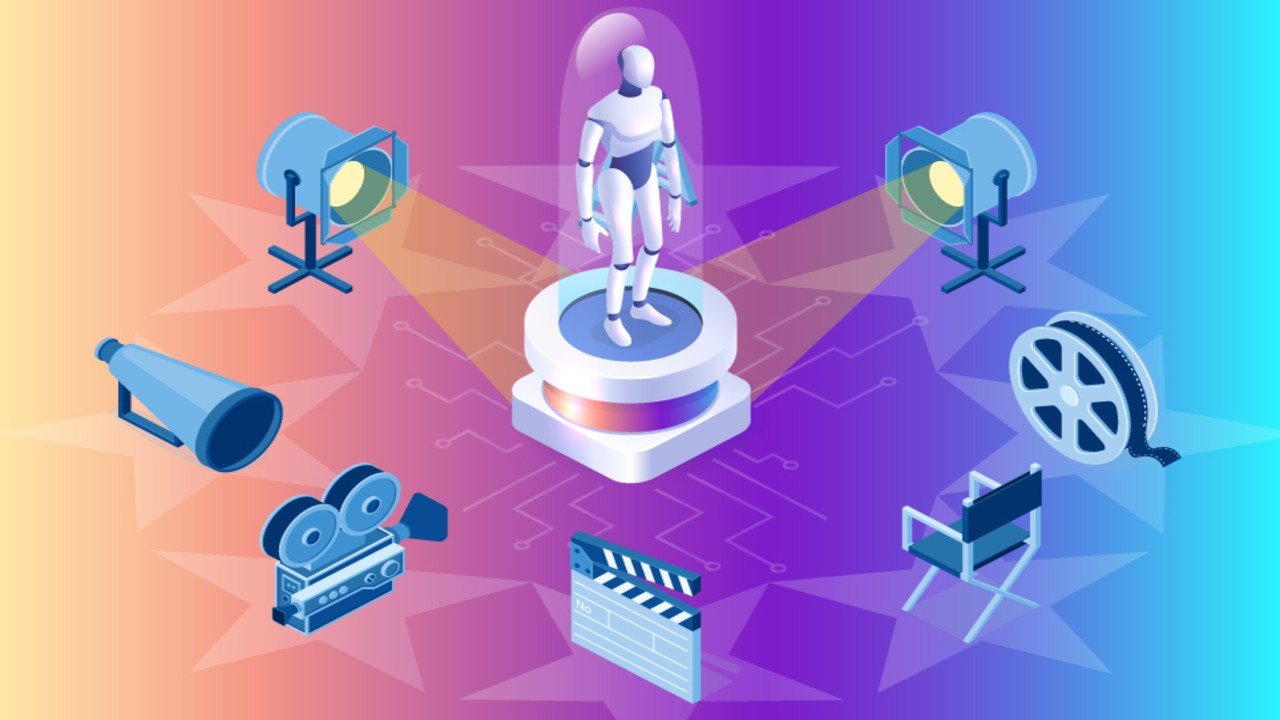
The entertainment industry has been in an ethical debate about whether AI can be accepted as a tool in content creation for the last couple of years. Fear of AI ruining the very concept of entertainment is a valid concern, and people are taking various approaches to it, either fully embracing this new(and scary) technology or condemning it and straying as far away from it as possible. However, most are leaning toward the negative side of this spectrum; people are becoming increasingly aware that AI is advancing so rapidly that it's harder to tell when something is made by hand or by AI.
The (few) Upsides
One thing is certain when it comes to AI use in entertainment: significantly lowering the cost of production. The use of AI effects, imagery, and techniques lowers the need to spend extra money to perform more practical effects and real set designers. In video games and comics, asset generation has been widely used for smaller, testing projects before larger projects are approved. For films and television shows, AI can generate several possible outcomes for a given scenario; the best option is selected, and original human-made ideas can be applied to it, expanding the initial idea by far. Overall, AI-generated outputs can serve as stepping stones and guides toward the completion of a full-scale project.
AI Slop: The Many, Many Downsides
"AI Slop" is a term used to describe low-effort, shallow content that lacks depth, feeling, or story, particularly in film, books, video games, or other forms of entertainment. AI Slop is easily identifiable due to the abnormal animation, jumbled-up background text, repetitive motions and sounds, and anything that is considered to be "off" when compared to human-made content. The biggest offender has to be what is seen on social media platforms(most notably TikTok and Instagram), which are filled with seconds-long, short-form AI-generated content that can short-circuit one's brain in a matter of minutes. Another big issue with using AI in this field is the risk of copyright and intellectual property violations. AI has the ability to generate anything the user desires, including objects, characters, and worlds that they don't own. As a result, AI-generated content based on these properties can confuse the public on whether it is genuine or not and lead to costly lawsuits delivered by the property's owner in question. With these two huge issues regarding AI use in entertainment, it has become a moral panic for those who utilize it for content and a symbol for the thought of technology becoming too far advanced.
What Can Be done
So, what do I think about how AI should be handled in all entertainment industries? I think AI should be used as some sort of 'template' for projects, but not used at all when doing the actual project intended to be shown to the public. AI-generated videos can still be created, but they should not be posted on any platform. The videos should be guides for real, human creators to base their techniques on and expand on the initial AI video to make it look real, genuine, and most importantly, human, without any question or doubt from others. I'm not saying AI should not be used at all- it can be helpful for many to figure out how their ideas will be structured into film, book, game, or show format, but everything else should be mostly human-made. As I have said in my previous post, I would use AI as a tool, not a replacement. All of the entertainment industry should follow this same practice, and trust would be restored between both companies and fans who consume their library of ideas and projects.
Sources:

Author: Spencer Klein
Spencer Klein is a graphic designer from Long Island, New York with a passion for video games, comics, and pop-culture. He studies how design is marketed towards diverse audiences and uses his research to create stunning designs for anyone to view and enjoy.
